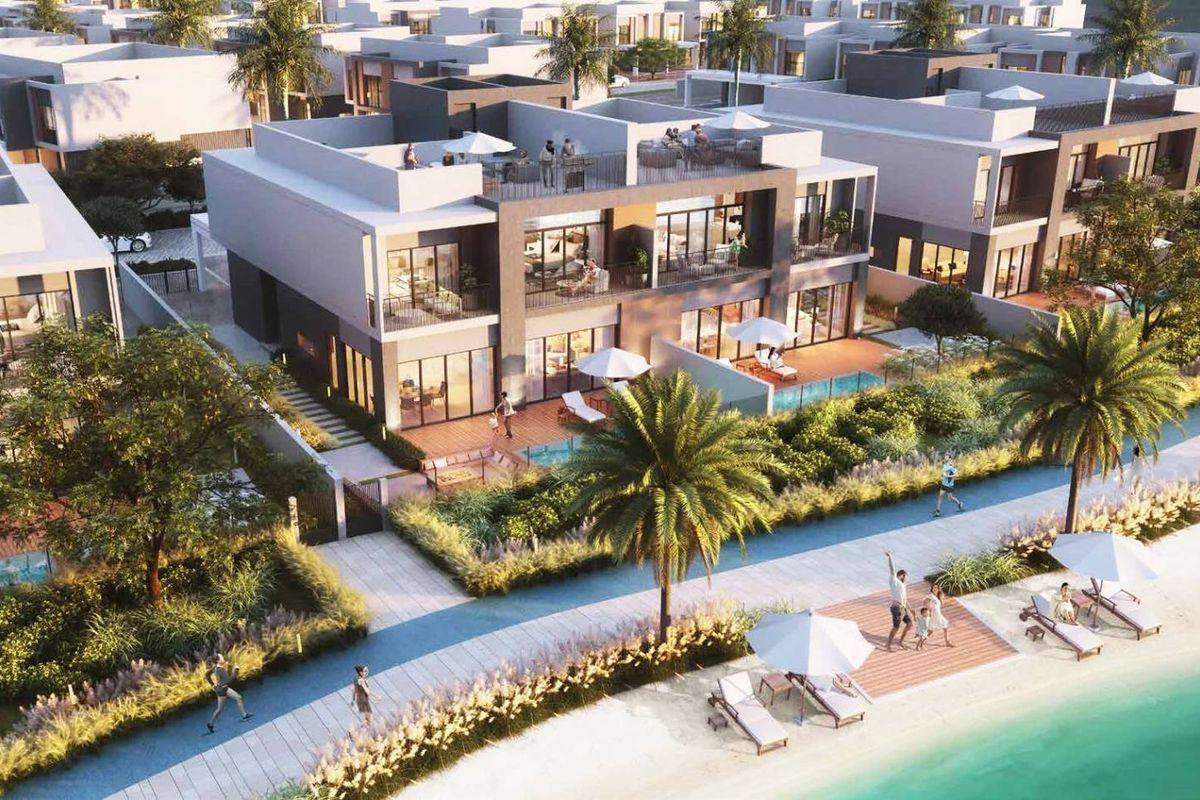
The Impact of Thoughtful Layouts on Urban Residential Comfort

The level of comfort in urban residential homes is more dependent on the carefully considered planning of homes and not their size. The choices of layout are now major contributors to supporting day-to-day activities, emotional adaptation, and usability. The examples of Tengah Garden Residences and Promenade Peak illustrate how spatial planning could help ease the stress of urban life. These residential settings can be linked to an increased emphasis on comfort-based design, which is a response to the actual urban lifestyles.
Layout Design as a Foundation for Daily Ease
Considerate designs have direct impacts on the level of experience of the people in their houses day in out. Tengah Garden Residences accentuates the clarity of well-defined zones that form a distinction between the personal, social, and functional areas. In this style of planning, the movement becomes natural instead of being forced. Likewise, Promenade Peak is situated on an effective circulation that saves on unnecessary movement and aids the ability to use it freely. When real habits are taken into account with the layout, homes become more natural and not so confining.
Reducing Density Stress Through Spatial Flow
The cramped living areas and noise can become problematic with the high-density living, yet layout planning may be applied to eliminate these problems. Promenade Peak illustrates the way spatial flow could decrease visual and actual clutter by directing traffic in a reasonable manner around the house. Tengah Garden Residences also uses the strategies that minimize the intersection between activity areas. Good distance between active and passive spaces, there should not be abrupt changes between rooms, and between rooms, there should be logic in locating entrances and corridors. All of this will make the residents more comfortable in the tight urban areas.
Enhancing Comfort Through Proportion and Balance
The size of rooms is an important factor in comfort. Large spaces may make one feel inefficient, and small rooms develop tension. Tengah Garden Residences shows that the even distribution of room sizes, be it by size or shape, will aid in ensuring comfort without excessive use of space. The same can be said about Promenade Peak, which makes every space meaningful and useful. Symmetrical arrangements give residents the opportunity to position furniture conveniently and move around, which improves the living process.
Shared Areas Planned with Resident Comfort in Mind
The comfort of home is not limited to domestic settings only. The careful planning of the layout will make the common spaces add value rather than cause noise and congestion. Shared spaces are introduced in such projects as Promenade Peak to ensure that they do not interfere with individual residences. This balance is also evident in Tengah Garden Residences since the shared areas are designed with limited access points, explicit zoning of social and quiet area and a layout that allows the public to use it without congestion. These measures make such common spaces comforting as opposed to intimidating.
Natural Elements Strengthening Layout Effectiveness
Considerable designs usually go in unison with environmental design. The Tengah Garden Residences will also incorporate natural light and air circulation in the design to enable layouts look open and airy. Promenade Peak also matches the placement of rooms with the orientation of the window to enhance the daylight. Sunny days should be utilized as much as possible in the spaces that are frequently used, cross-ventilation should be promoted, and the use of artificial light and air conditioning should be minimized, as it will improve comfort and promote sustainable living.
Convenience as a Result of Smart Layouts
One of the most obvious advantages of considerate planning is convenience. Promenade Peak shows how the movement paths make residents work less daily due to their intuitive nature. Tengah Garden Residences also focuses on the easy accessibility of basic amenities and important living areas. In a layout that is created to accommodate daily activities, residents will find it easier to navigate their space and spend more time enjoying it, hence enhanced satisfaction.
Conclusion
Considerate plans help in providing comfort in the long-term living of the residents since they are flexible to alterations of needs. Tengah Garden Residences and Promenade Peak are both examples of how variable planning can accommodate shifting lifestyles, whether working remotely or having an adjusting family structure. In a focus on flow, proportion, and usability, these residential spaces demonstrate how the layout design can provide long-term comfort in urban settings, making the high-density living both sustainable and pleasant over the years.